
UlsterVintage Cars
UlsterVintage Cars Cover Image
UlsterVintage Cars
Here is where I Show you Photos and Videos of Many Vintage Cars and classics as well and information about them.
The Video Playlist is above just press play and watch the many vintage cars for the articles will follow.
The Top 10 Classic Cars are below numbered 1 to 10 same as the videos playlist above are in order of 1 to 10.
Enjoy Reading and Watching.
Please share this Page with family and friends.
List of Top 10 Vintage Classic Cars
🏁 10 Vintage & Classic Cars
1. MG TA Midget (1936–1939)
Pre-war British sports car and the first of MG’s famous T-Series.
2. Austin 7 (1922–1939)
The small car that put Britain on wheels
3. Morris Minor 1000 (1948–1971)
One of Britain’s most loved post-war classics.
4. Jaguar XK120 (1948–1954)
Once the fastest production car in the world.
5. Triumph TR3 (1955–1962)
Classic British roadster with rally heritage.
6. Mini Cooper (1960s)
Motorsport legend and cultural icon.
7. MG B Roadster (1962–1980)
One of the best-selling British sports cars ever.
8. Ford Model A (1927–1931)
The successor to the Model T and hugely influential worldwide.
9. Rolls-Royce 20/25 (1929–1936)
Luxury vintage motoring at its finest.
10. Austin-Healey 3000 (1959–1967)
Big British sports car with strong rally pedigree.
MG TA Midget
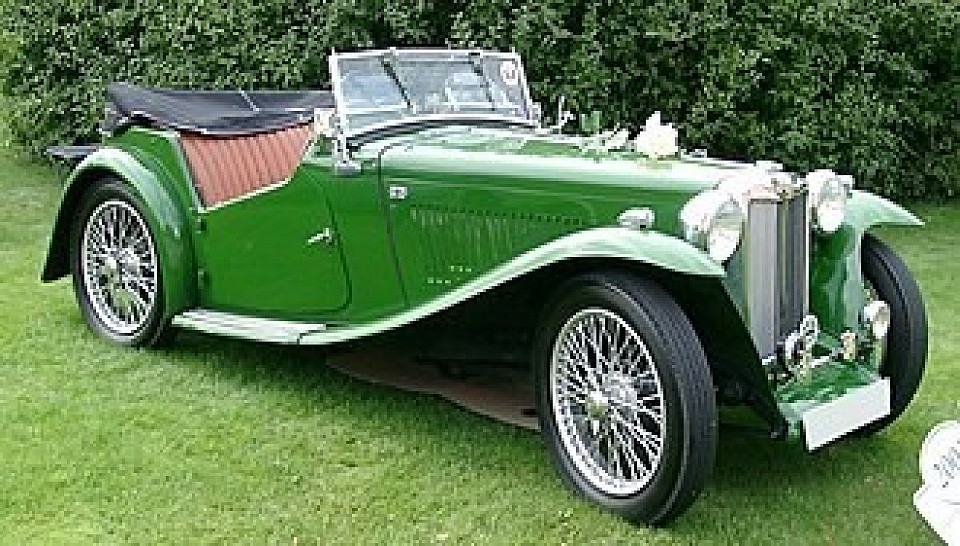
1: MG TA Midget
The MG TA Midget was the first of MG’s famous T-Series sports cars and marked a major step forward from the earlier PB model. Built between 1936 and 1939, it helped shape MG’s identity as a maker of affordable British sports cars.
🔧 Key Specifications
Production: 1936–1939 Engine: 1,292cc OHV inline-4 (XPAG engine – first use in MG) Power: approx. 50 bhp Gearbox: 4-speed manual (synchromesh on 3rd & 4th) Top Speed: around 75–80 mph Brakes: Hydraulic (a big improvement over earlier cable systems) Suspension: Live axles front and rear with leaf springs
🏁 Why the TA Was Important
First MG to use the famous XPAG engine, which later powered the TB, TC, TD and TF. Wider body and improved chassis compared to earlier Midgets. More comfortable and refined than pre-1936 MG sports cars. Helped establish MG’s export success before WWII.
🇬🇧 Styling & Character
The TA has classic pre-war British sports styling:
Sweeping front wings External headlamps Upright chrome grille Cut-away doors Wire wheels Fold-down windscreen
It has that proper vintage open-top motoring feel — very mechanical, very direct, and full of character.
📊 Production Numbers
Approximately 3,003 MG TA Midgets were built before production stopped in 1939 due to the outbreak of World War II.
💰 Value Today (UK Market Estimate)
Prices vary depending on condition:
Project/restoration: £15,000–£20,000 Good usable example: £22,000–£30,000 Show condition: £35,000+
(Values fluctuate depending on originality and history.)
🆚 What Came After?
The TA was replaced by:
MG TB (1939) – similar body but smaller 1,250cc engine Later the famous MG TC (1945) which became hugely popular in America
Austin 7 (1922–1939)
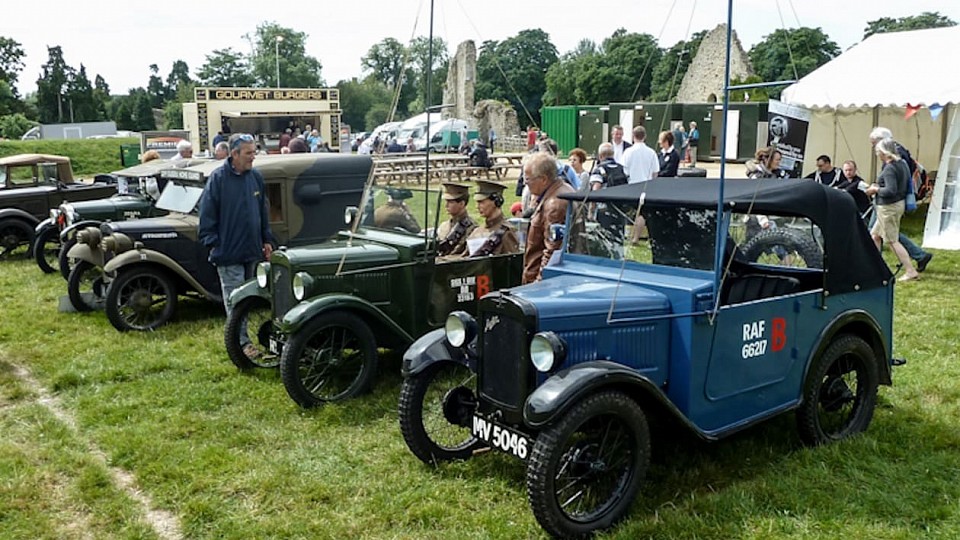
2: Austin 7 (1922–1939)
The Austin 7 is one of the most important cars in British motoring history. Produced from 1922 to 1939 by the Austin Motor Company, it provided affordable, practical transport to thousands of families at a time when car ownership was still rare.
Often described as “Britain’s Model T”, the Austin 7 transformed everyday mobility and laid the foundations for many future British car manufacturers.
📜 Why It Was So Important
In the early 1920s, most cars were large and expensive. Sir Herbert Austin recognised the need for a small, economical vehicle that ordinary people could afford.
The result was the Austin 7:
Compact and lightweight Affordable to buy and run Simple to maintain Reliable for everyday use
It quickly became a huge success across the UK and Ireland.
🔧 Technical Specifications (Early Models)
Engine: 747cc inline 4-cylinder Power: approx. 10–17 bhp (depending on model) Top Speed: 45–55 mph Gearbox: 3-speed manual (later 4-speed) Brakes: Rear-wheel braking initially (later four-wheel braking)
While modest by modern standards, it was more than adequate for 1920s roads.
🏎️ Different Body Styles
One reason for its popularity was the wide variety of versions:
Chummy – open tourer, very popular in the 1920s Saloon – practical family car Box Saloon – early enclosed body Ruby – stylish late-1930s version Ulster – sporty version for competition
It was also widely used in trials and early motorsport events.
🌍 Global Influence
The Austin 7 wasn’t just important in Britain:
Built under licence in Germany (influencing BMW’s early cars) Produced in France and Japan Inspired early designs that later shaped companies like BMW and Nissan
It became a template for small car engineering worldwide.
📊 Production Numbers
Between 1922 and 1939, around 290,000 Austin 7s were produced — an impressive figure for the era.
💰 Value Today (UK Market Guide)
Restoration project: £6,000–£10,000 Good usable example: £12,000–£18,000 Rare sporting models (Ulster replicas, specials): £25,000+
Values vary depending on originality, condition, and body type.
❤️ Why Enthusiasts Still Love It
The Austin 7 is:
Lightweight and fun to drive Mechanically simple Supported by strong owners’ clubs A cornerstone of vintage car events and road runs
You’ll still see them regularly at vintage rallies across Northern Ireland and the UK — small in size, but massive in historical importance.
Morris Minor 1000 (1948–1971)
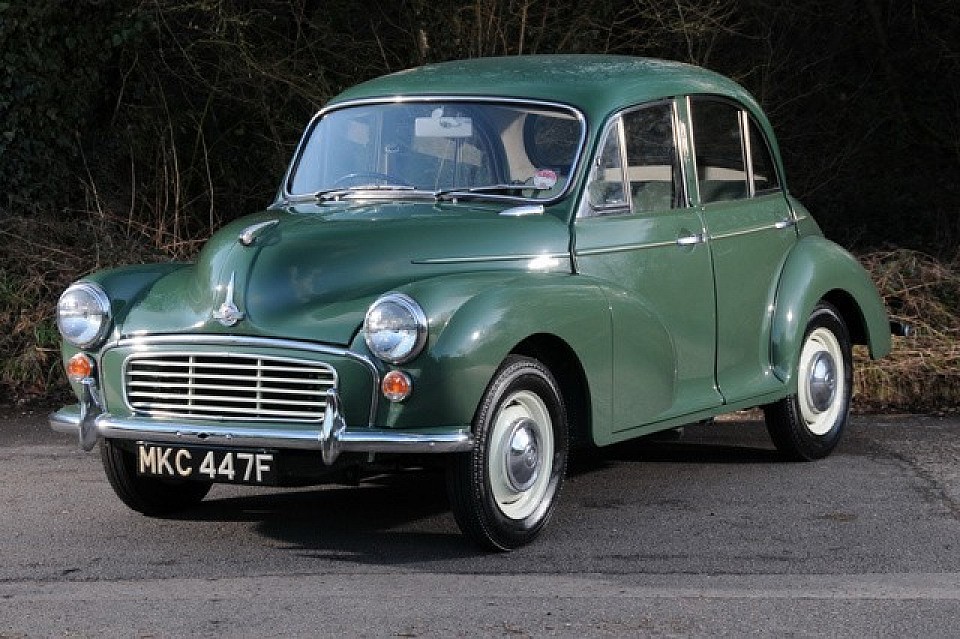
3: Morris Minor 1000 (1948–1971)
The Morris Minor 1000 is one of the most recognisable and loved British cars ever built. Produced from 1948 to 1971, it became a symbol of affordable family motoring in post-war Britain and remains a firm favourite at classic car shows across the UK and Ireland.
Designed by the legendary Sir Alec Issigonis (who later created the Mini), the Minor combined charm, practicality and clever engineering in a way few cars had before.
📜 A Revolutionary Beginning
Launched at the 1948 Earls Court Motor Show, the original Morris Minor featured:
Modern unitary (monocoque) construction Rack-and-pinion steering for precise handling Independent front suspension Compact yet roomy design
It felt advanced compared to many rivals of the time.
🔧 Morris Minor 1000 Specifications
The “Minor 1000” name came in 1956 when engine size increased:
Engine: 948cc A-Series 4-cylinder (later 1098cc) Power: approx. 37–48 bhp Gearbox: 4-speed manual Top Speed: around 70–75 mph Drive: Rear-wheel drive
The car was simple, reliable and inexpensive to maintain — ideal for families and small businesses.
🚙 Popular Body Styles
The Minor was available in several iconic versions:
2-door and 4-door saloon – everyday family car Traveller – famous for its ash wood rear frame Convertible (Tourer) – open-top motoring Van & Pick-up – widely used by tradesmen
The Traveller remains especially popular today because of its distinctive wooden rear bodywork.
📊 Production & Milestones
Over 1.6 million Morris Minors were produced In 1961, it became the first British car to sell 1 million units Production ended in 1971 after a 23-year run
That longevity shows just how successful the design was.
❤️ Why It’s Still Loved Today
The Morris Minor 1000 is:
Easy to drive and maintain Supported by strong owners’ clubs Affordable compared to many classics Full of nostalgic British character
You’ll regularly see them at vintage rallies, road runs and classic shows across Northern Ireland and beyond.
💰 Current UK Values (Guide)
Project car: £3,000–£6,000 Good usable example: £7,000–£12,000 Excellent Traveller or convertible: £15,000–£25,000+
Values vary depending on condition, originality and woodwork (for Travellers).
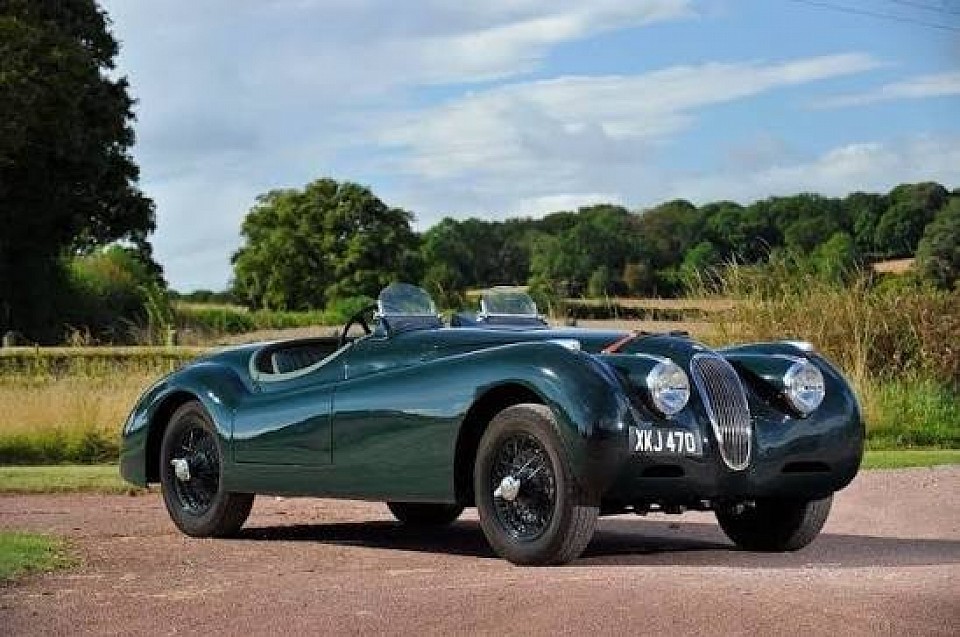
Jaguar XK120 (1948–1954)
4: Jaguar XK120 (1948–1954)
The Jaguar XK120 is one of the most iconic British sports cars ever built. Produced between 1948 and 1954, it stunned the world at launch with its breathtaking looks and remarkable performance.
When unveiled at the 1948 London Motor Show, the XK120 was announced as capable of 120 mph — making it the fastest production car in the world at the time. The “120” in its name proudly reflected that top speed.
📜 A Star Is Born
Originally intended as a limited production showcase for Jaguar’s new engine, the XK120 received such overwhelming praise that full-scale production quickly followed.
Its flowing curves, long bonnet and low stance defined post-war sports car styling and influenced automotive design for years to come.
🔧 Technical Specifications
Engine: 3.4-litre inline 6-cylinder (XK engine) Power: approx. 160 bhp (standard) Top Speed: 120–132 mph (depending on model & tuning) Gearbox: 4-speed manual Brakes: Hydraulic drum brakes Drive: Rear-wheel drive
The advanced twin overhead camshaft (DOHC) XK engine became legendary and powered Jaguar sports cars for decades.
🚘 Body Styles
The XK120 was available in three main versions:
Open Two-Seater (OTS) – the original roadster Fixed Head Coupe (FHC) – elegant hardtop version Drophead Coupe (DHC) – convertible with wind-up windows
Early cars had lightweight aluminium bodies before switching to steel for mass production.
🏁 Motorsport Success
The XK120 proved itself in competition:
Success in rallying and endurance racing Victories in events such as the Alpine Rally Helped establish Jaguar’s sporting reputation
Its success paved the way for later legends like the C-Type and D-Type.
📊 Production Numbers
Around 12,000 Jaguar XK120s were built between 1948 and 1954 — a strong figure for a high-performance sports car of the era.
💰 Value Today (UK Market Guide)
Usable example: £60,000–£90,000 Excellent condition: £100,000–£150,000+ Rare early alloy-bodied cars: significantly higher
Values depend heavily on originality, body type and history.
❤️ Why It Remains Iconic
The Jaguar XK120 represents:
Post-war British optimism Engineering excellence Timeless styling True sports car performance
It remains one of the most admired classics at vintage car shows and prestigious events across the UK and Ireland.
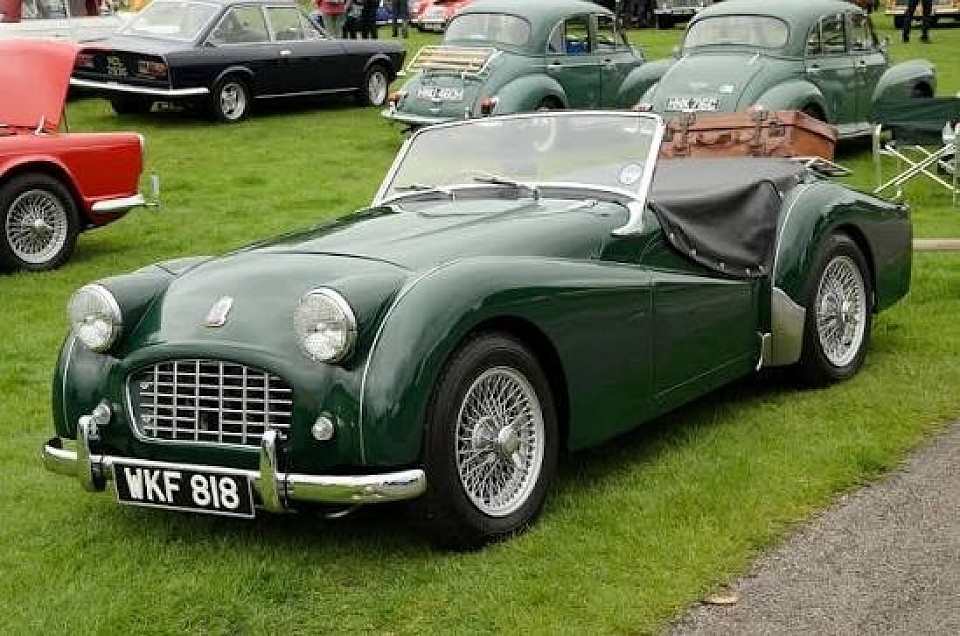
Triumph TR3 (1955–1962)
5: Triumph TR3 (1955–1962)
The Triumph TR3 is one of Britain’s most characterful 1950s sports cars. Produced from 1955 to 1962, it combined raw performance with simple, tough engineering — making it equally at home on winding country roads or rally stages.
With its bold front grille, cutaway doors and side screens instead of wind-up windows (early models), the TR3 has a purposeful, no-nonsense look that enthusiasts still admire today.
📜 Evolution from the TR2
The TR3 was developed from the earlier TR2, but introduced important upgrades:
More powerful engine Improved gearbox Stronger chassis refinements Optional front disc brakes (a major innovation at the time)
In fact, the TR3 was one of the first production cars in the world to offer front disc brakes, greatly improving stopping power.
🔧 Technical Specifications
Engine: 1,991cc (later 2,138cc) inline 4-cylinder Power: approx. 95–100 bhp Top Speed: around 105–110 mph Gearbox: 4-speed manual Brakes: Front disc brakes (from 1956 onward) Drive: Rear-wheel drive
It was a lively performer for its era, capable of 0–60 mph in around 10–11 seconds — quick for the mid-1950s.
🏁 Motorsport Heritage
The TR3 proved itself in competition:
Success in rallying, including Alpine events Strong performances at Le Mans Popular in club racing throughout the UK and USA
Its durability and simple mechanics made it a favourite among privateer racers.
🚘 TR3 vs TR3A
In 1957, the updated TR3A version was introduced with:
Wider front grille Improved interior trim Exterior door handles Stronger rear axle
Although often referred to separately, it remained officially part of TR3 production.
📊 Production Numbers
Around 74,800 TR3s and TR3As were produced between 1955 and 1962, with a large number exported to the United States.
💰 UK Market Values (Guide)
Restoration project: £15,000–£25,000 Good usable example: £28,000–£40,000 Excellent condition: £45,000–£60,000+
Prices vary depending on originality and restoration quality.
❤️ Why It’s Still Loved
The Triumph TR3 offers:
Classic 1950s British sports car styling Strong mechanical reliability Engaging, raw driving experience Excellent club and parts support
It remains a regular sight at vintage road runs, rallies and classic car shows across the UK and Ireland — a true driver’s classic.
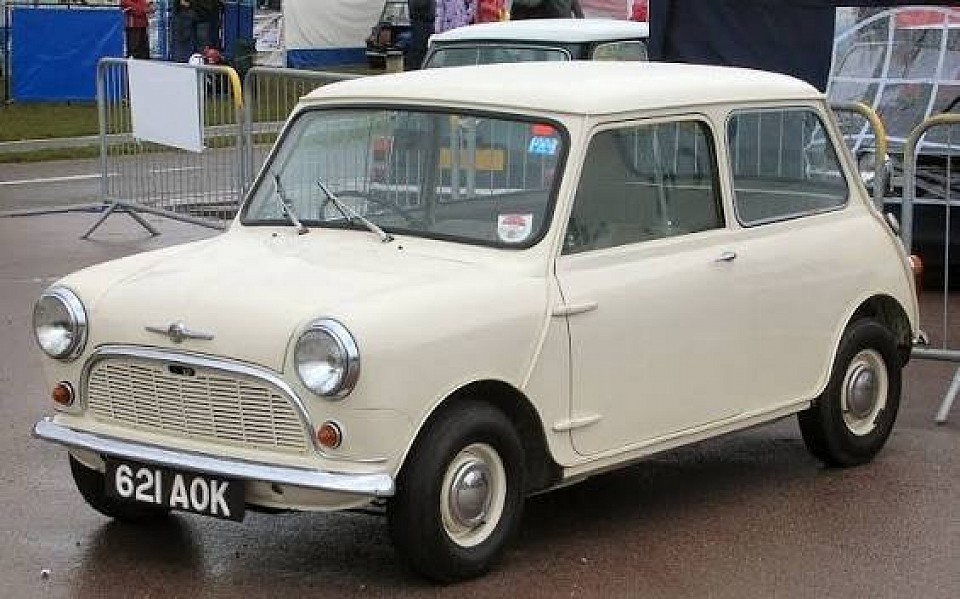
Mini Cooper (1960s)
6: Mini Cooper (1960s)
The Mini Cooper of the 1960s is one of the most famous small cars ever built. Compact, lightweight and incredibly agile, it became a symbol of British engineering brilliance and motorsport success.
Developed from the original Mini designed by Sir Alec Issigonis, the high-performance Cooper version was created in collaboration with racing legend John Cooper — and it transformed the humble small car into a world-class competition machine.
📜 How the Mini Cooper Was Born
In 1959, the standard Mini was launched as an economical small car. John Cooper immediately recognised its sporting potential and persuaded the manufacturer to produce a tuned version.
The result was the Mini Cooper (1961), followed by the more powerful Mini Cooper S (1963) — the model that would achieve global fame.
🔧 Technical Specifications (Cooper S 1275)
Engine: 1,275cc 4-cylinder Power: approx. 75 bhp Top Speed: around 95–100 mph Drive: Front-wheel drive Gearbox: 4-speed manual
Thanks to its light weight and front-wheel-drive layout, the Mini Cooper handled exceptionally well, especially on tight, twisty roads.
🏁 Motorsport Legend
The Mini Cooper became a rally icon in the 1960s:
Monte Carlo Rally winner in 1964, 1965 and 1967 Famous for defeating much larger, more powerful cars Known as the “Giant Killer”
Its agility and traction made it unbeatable on snowy and narrow mountain stages.
🎨 Cultural Icon
Beyond motorsport, the Mini Cooper became:
A symbol of 1960s British culture Popular with celebrities and musicians A fashion statement in Swinging London
Its cheeky design and compact shape made it instantly recognisable worldwide.
📊 Production & Popularity
Hundreds of thousands of Minis were built during the 1960s, with Cooper and Cooper S models highly sought after today.
Original 1960s Cooper S models are now especially collectible.
💰 UK Market Values (Guide)
Standard Mini (1960s): £8,000–£18,000 Genuine Mini Cooper: £20,000–£35,000 Authentic Cooper S (1275): £40,000–£70,000+
Values depend heavily on originality and documented history.
❤️ Why It’s Still Loved
The Mini Cooper offers:
Go-kart-like handling Classic British styling Motorsport pedigree Huge enthusiast following
It remains one of the most celebrated classic cars in the world and a regular star at vintage rallies and classic shows across the UK and Ireland.
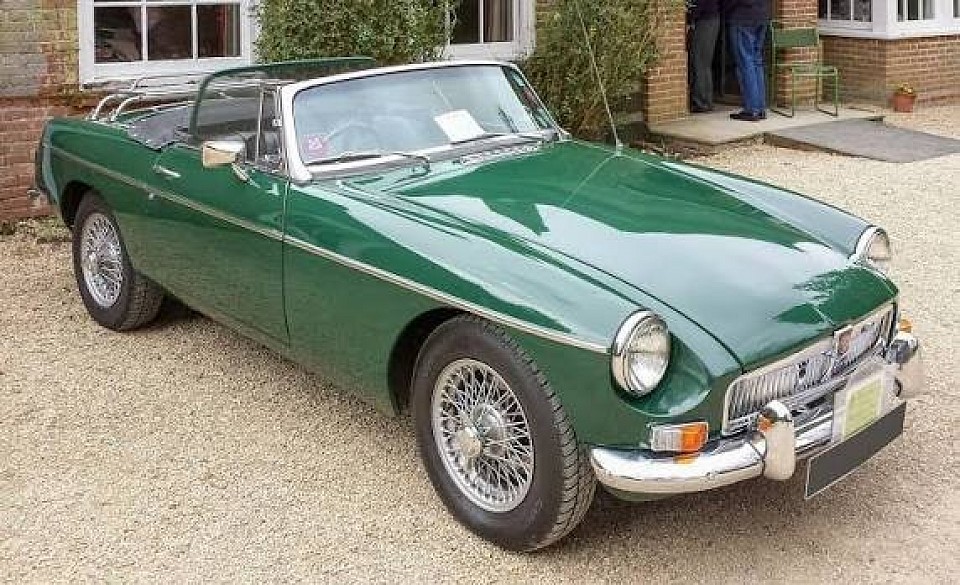
MG B Roadster (1962–1980)
7: MG B Roadster (1962–1980)
The MG B Roadster is one of the most recognisable and accessible classic British sports cars ever built. Produced from 1962 to 1980, it combined stylish open-top motoring with reliability and affordability — making it hugely popular both in the UK and abroad.
With its long bonnet, low seating position and classic chrome grille, the MGB became the face of 1960s and 1970s British sports car culture.
📜 A Modern Step Forward
When launched in 1962, the MGB was a major improvement over the MGA. It featured:
Monocoque (unitary) construction instead of a separate chassis Improved safety and rigidity More interior space Better weather protection
It felt more modern and practical while retaining classic MG character.
🔧 Technical Specifications
Engine: 1,798cc (1.8-litre) inline 4-cylinder Power: approx. 95 bhp (early models) Top Speed: around 100–105 mph Gearbox: 4-speed manual (optional overdrive) Drive: Rear-wheel drive Brakes: Front disc brakes
The car offered lively performance and enjoyable handling, especially on twisty country roads.
🚘 Chrome Bumper vs Rubber Bumper
Enthusiasts often distinguish between:
Chrome bumper models (1962–1974) – considered the most desirable for classic looks Rubber bumper models (1974–1980) – introduced to meet US safety regulations
Both versions have strong followings today.
🌍 Worldwide Success
The MGB was a massive export success, particularly in the United States.
Over 500,000 MGBs were built One of the best-selling British sports cars of all time Production ran for 18 years — unusually long for a sports car
Its affordability and simple mechanics made it accessible to many first-time classic owners.
💰 UK Market Values (Guide)
Project car: £4,000–£7,000 Good usable example: £8,000–£15,000 Excellent restored chrome bumper car: £18,000–£25,000+
Special editions and well-maintained early cars command higher prices.
❤️ Why It’s Still Popular
The MG B Roadster remains loved because it offers:
Classic British open-top driving Strong club and parts support Affordable entry into classic ownership Timeless 1960s styling
It’s a regular sight at classic car shows, vintage rallies and summer road runs across Northern Ireland and the UK — a true people’s sports car.
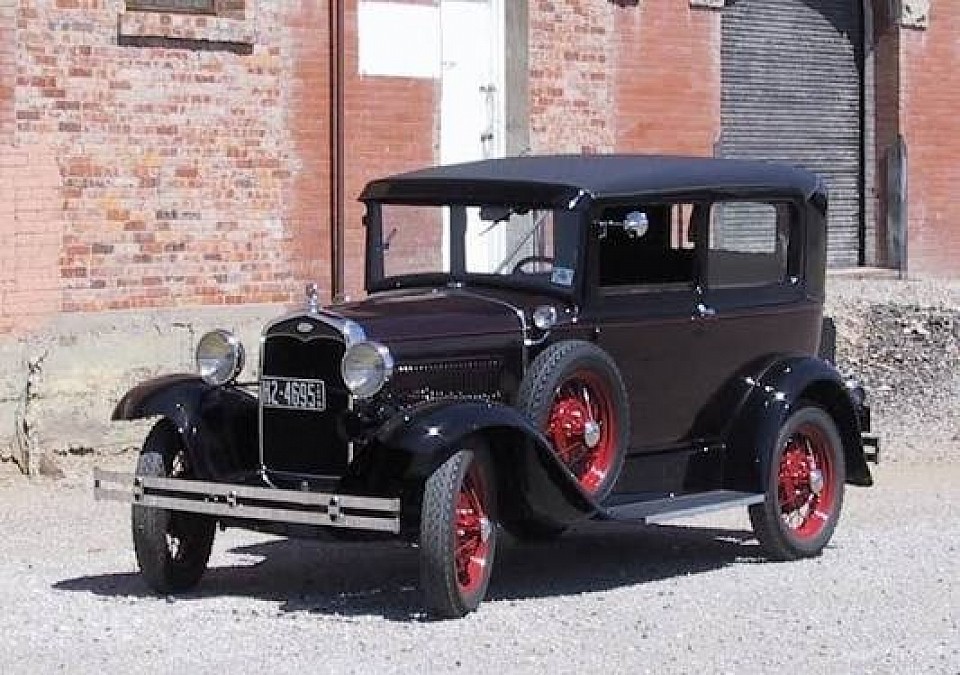
Ford Model A (1927–1931)
8: Ford Model A (1927–1931)
The Ford Model A replaced the legendary Model T and marked a major step forward in automotive design. Produced between 1927 and 1931, it brought improved performance, modern styling and better driving comfort to millions of motorists worldwide.
For many families, the Model A was their first real experience of reliable, affordable motoring.
📜 A New Beginning for Ford
By the mid-1920s, the Model T was becoming outdated. In 1927, Ford shut down production to completely retool its factories — a bold move at the time.
The result was the Model A:
More powerful engine Modern controls Improved braking Stylish new body designs
It was an instant success.
🔧 Technical Specifications
Engine: 3.3-litre (201 cubic inch) inline 4-cylinder Power: approx. 40 bhp Top Speed: 60–65 mph Gearbox: 3-speed manual Brakes: Mechanical drum brakes on all four wheels Drive: Rear-wheel drive
Compared to the Model T, the Model A was smoother, faster and easier to drive.
🚘 Body Styles
One of the Model A’s strengths was variety. It was available in numerous styles:
Tudor & Fordor sedans Roadster Phaeton Coupe Pickup Station wagon
This flexibility helped it appeal to both families and businesses.
🌍 Global Impact
The Model A was built not only in the United States but also assembled worldwide, including in the UK and Ireland.
Between 1927 and 1931, Ford produced approximately 4.8 million Model As, making it one of the most successful cars of its era.
💰 UK & Ireland Market Values (Guide)
Project car: £10,000–£18,000 Good usable example: £20,000–£30,000 Excellent restored condition: £35,000–£50,000+
Rarer body styles and original cars can command higher prices.
❤️ Why Enthusiasts Still Love It
The Ford Model A is:
Mechanically simple and robust Easy to maintain with strong parts support A favourite at vintage rallies and road runs A cornerstone of 1920s and early 1930s motoring history
It represents the bridge between early pioneer cars and more modern motoring — a true vintage icon.
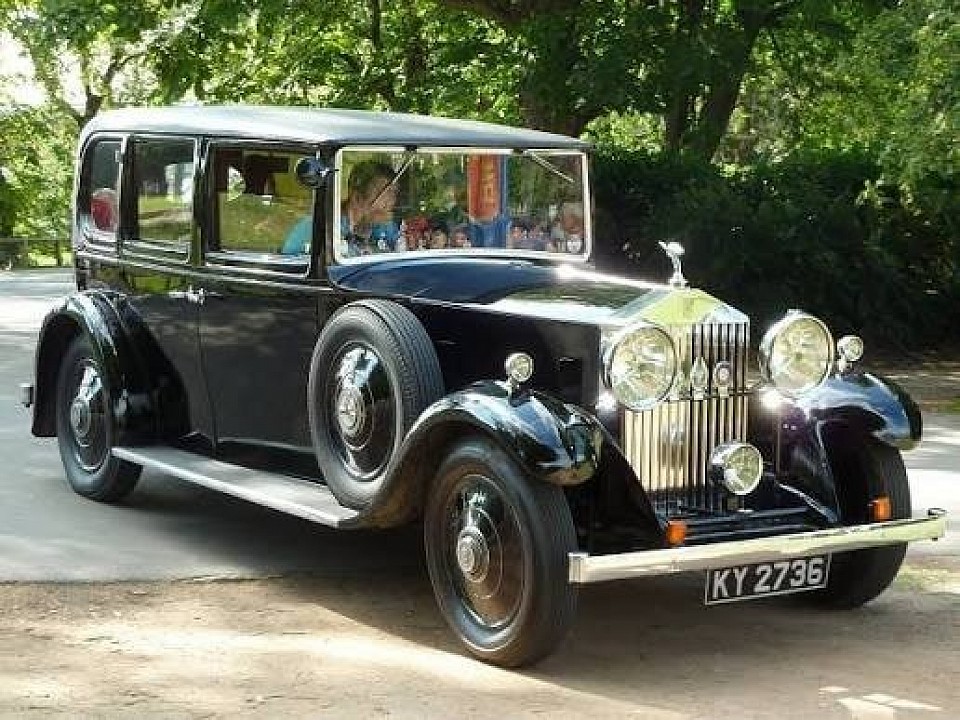
Rolls-Royce 20/25 (1929–1936)
9: Rolls-Royce 20/25 (1929–1936)
The Rolls-Royce 20/25 was introduced in 1929 as the successor to the 20 HP model. Designed for owner-drivers who wanted the prestige of Rolls-Royce with slightly more manageable size and cost than the larger Phantom, the 20/25 became one of the company’s most successful inter-war models.
It combined quiet refinement, smooth power delivery and bespoke coachbuilt elegance — hallmarks of the marque during the golden age of British motoring.
📜 Purpose & Positioning
In the late 1920s, many wealthy customers preferred to drive themselves rather than employ a chauffeur. Rolls-Royce responded with the 20/25:
More powerful than the earlier 20 HP Smooth and flexible for long-distance touring Designed to carry elegant custom coachwork Refined enough for daily use
It struck the perfect balance between prestige and practicality.
🔧 Technical Specifications
Engine: 3.7-litre (3,699cc) inline 6-cylinder Power: Official figures not published (as was Rolls-Royce tradition), but significantly stronger than the 20 HP Gearbox: 4-speed manual Brakes: Servo-assisted mechanical drum brakes Top Speed: Around 75 mph (depending on body style) Drive: Rear-wheel drive
Rolls-Royce was known for under-stated performance claims — smoothness and silence mattered more than speed.
🎩 Coachbuilt Elegance
Unlike modern production cars, the 20/25 was supplied as a rolling chassis. Buyers chose a coachbuilder to create a bespoke body.
Common coachbuilders included:
Hooper Park Ward Mulliner Thrupp & Maberly
Body styles ranged from formal saloons and limousines to elegant drophead coupes.
Each car was effectively unique.
📊 Production Numbers
Between 1929 and 1936, approximately 3,827 Rolls-Royce 20/25s were built — making it one of the company’s best-selling models of the inter-war period.
💰 UK Market Values (Guide)
Restoration project: £25,000–£40,000 Good usable example: £45,000–£75,000 Exceptional coachbuilt examples: £90,000–£150,000+
Values depend heavily on coachbuilder, originality and history.
❤️ Why It Remains Special
The Rolls-Royce 20/25 represents:
Inter-war British craftsmanship Bespoke luxury Mechanical smoothness and durability Timeless elegance
It remains a centrepiece at vintage concours events and prestigious classic gatherings across the UK and Ireland.
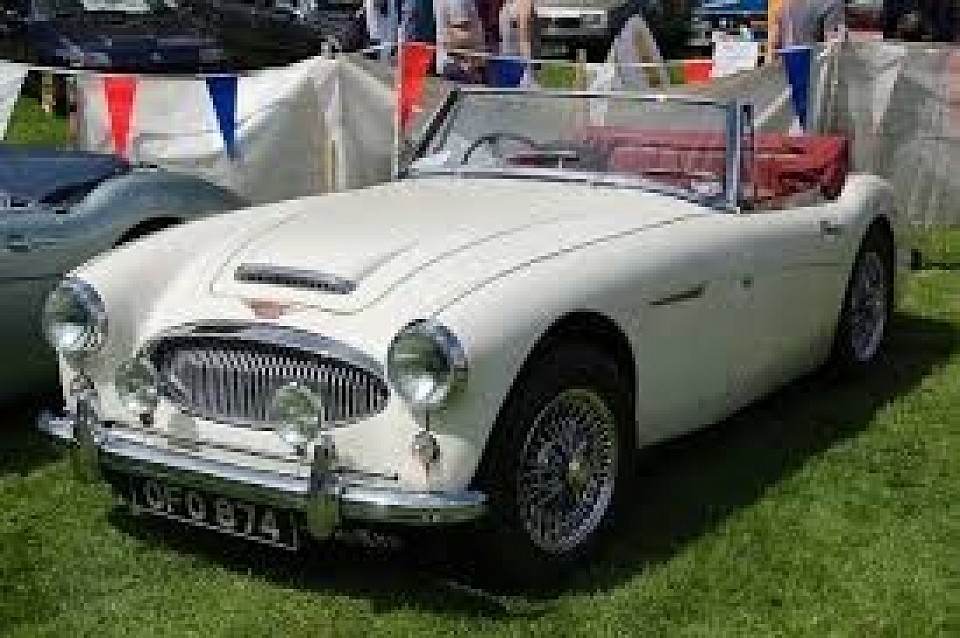
Austin-Healey 3000 (1959–1967)
10: Austin-Healey 3000 (1959–1967)
The Austin-Healey 3000 is one of the most charismatic British sports cars of the 1960s. Built from 1959 to 1967, it combined muscular straight-six performance with classic open-top styling and a strong rally pedigree.
Often known simply as the “Big Healey,” it was the final and most powerful evolution of the Austin-Healey 100/6 line.
📜 Development & Evolution
The 3000 replaced the 100/6 in 1959 and went through three main versions:
Mk I (BN7/BT7) – 2.9-litre engine introduced Mk II (1961–1963) – triple carburettors (early), improved camshaft Mk III (BJ8, 1963–1967) – more power, improved interior comfort
The later Mk III offered wind-up windows and a proper folding hood — making it more civilised for touring.
🔧 Technical Specifications (Mk III BJ8)
Engine: 2,912cc inline 6-cylinder Power: approx. 148 bhp Top Speed: around 115–120 mph Gearbox: 4-speed manual (with optional overdrive) Drive: Rear-wheel drive
Its torquey straight-six engine delivered strong acceleration and a distinctive exhaust note.
🏁 Motorsport Success
The Austin-Healey 3000 earned a serious reputation in international rallying:
Successful in the Monte Carlo Rally Strong performances in endurance events Known for durability and high-speed stability
Its combination of power and ruggedness made it ideal for long-distance competition.
🎨 Styling & Character
The 3000 is instantly recognisable thanks to:
Long bonnet and low seating position Wire wheels Large chrome grille Two-tone paint options Classic British roadster proportions
It looks purposeful yet elegant — a true 1960s sports car.
📊 Production Numbers
Around 42,900 Austin-Healey 3000s were produced between 1959 and 1967, with a large percentage exported to North America.
💰 UK Market Values (Guide)
Project car: £25,000–£35,000 Good usable example: £45,000–£65,000 Excellent restored condition: £75,000–£100,000+
Original, matching-numbers Mk III cars command premium prices.
❤️ Why It’s Still Loved
The Austin-Healey 3000 offers:
Strong performance Classic British styling Rally heritage A powerful, engaging driving experience
It remains a star attraction at vintage rallies, road runs and classic car shows across the UK and Ireland — especially among enthusiasts who appreciate traditional big-engined British sports cars.
